Ford has started producing lithium iron phosphate (LFP) prismatic battery cells at its BlueOval Battery Park Michigan facility, shipping the first batch to the Louisville Assembly Plant for use in Fathom electric truck prototypes. This marks Ford’s entry into manufacturing its own battery cells and the first delivery of LFP batteries for mainstream consumer vehicles in the U.S.
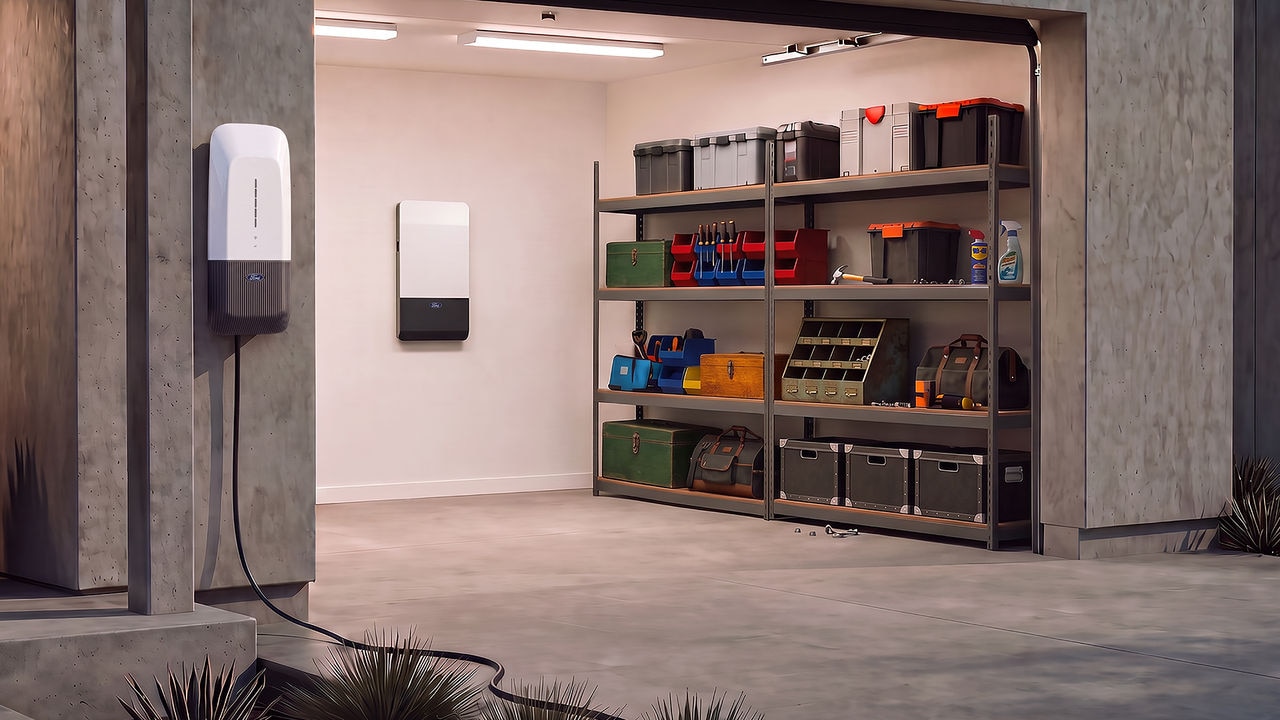
The move is a significant step toward making electric vehicles more affordable by controlling a major cost component — the battery. Ford’s choice of LFP chemistry, which avoids costly nickel and cobalt, supports durability and cost efficiency while enabling features like bidirectional power flow between the vehicle and home.
Why Ford chose LFP prismatic cells for Fathom
Ford’s Advanced Development Projects team sought an efficient, proven battery technology ready for large-scale manufacturing. Partnering with CATL, a global leader whose batteries power 30 million vehicles worldwide, Ford focused on maximizing efficiency rather than simply adding more cells.
The prismatic, rectangular cells fit directly into the vehicle chassis, allowing the battery pack to serve as a structural component. This design reduces weight and manufacturing complexity while supporting Ford’s Universal EV Production System.
High-speed production with quality controls
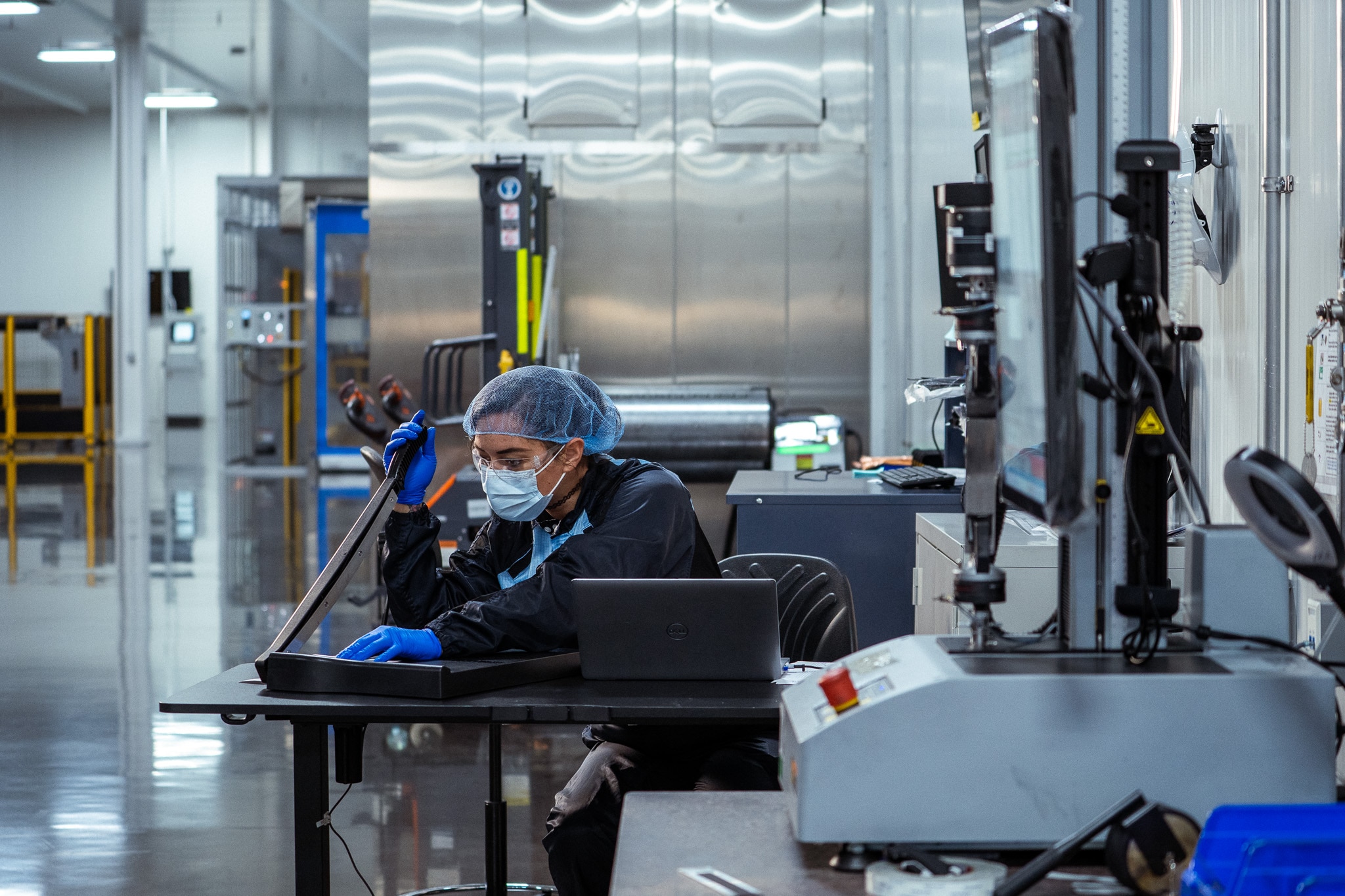
The Michigan plant’s assembly lines can produce 40 battery cells per minute, making it one of the fastest LFP prismatic battery assembly lines outside China. Advanced AI-powered image recognition helps detect defects early, aiming to reduce defective cells to a frequency measured per billion rather than per million.
The battery packs shipped to Louisville will power Fathom prototypes and guide further development. Ford plans to open a battery pack plant in Marshall in 2027 ahead of the Fathom launch.
What it means for you
Ford’s in-house battery production means better control over cost and quality, which could translate to more affordable electric trucks for buyers. The durable LFP chemistry and efficient pack design also support new features like home power supply via bidirectional charging.
This development also lays groundwork for Ford Energy’s battery storage business in Kentucky, using the same design and manufacturing expertise to serve different markets.
For shoppers considering an electric truck, Ford’s focus on efficiency and cost reduction through battery innovation may soon offer a compelling alternative to gas-powered vehicles.
Next steps include ramping up battery pack production in Marshall in 2027 and continuing prototype testing with the cells produced in Michigan.