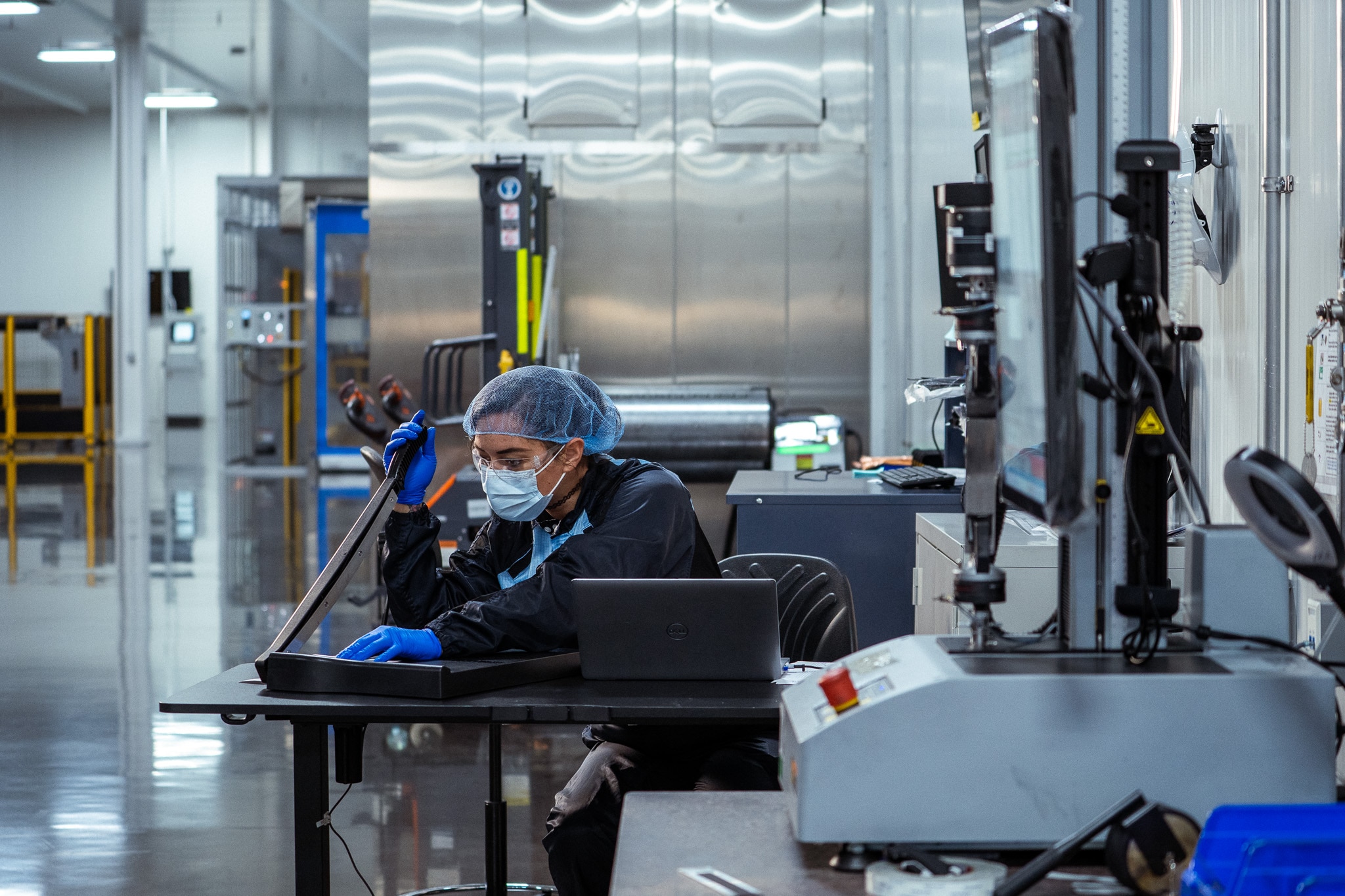
Nissan has introduced a new state-of-the-art corrosion chamber at its Arizona Testing Center that can simulate 10 to 15 years of vehicle corrosion in less than four months. This accelerated testing helps engineers identify durability issues caused by environmental factors like road salt, humidity, and coastal salt spray, which are increasingly impacting vehicles in North America.
As drivers face more extreme and unpredictable weather—from record heat waves to coastal flooding—vehicles need to withstand harsher conditions than ever before. Nissan’s new chamber compresses years of exposure to saltwater, heat, and moisture into a controlled test cycle, allowing the company to engineer components and coatings that resist corrosion and last longer.
How the corrosion chamber works
Inside the chamber, vehicles are sprayed from all angles with a saltwater solution before being baked at high temperatures and humidity. This process accelerates the corrosion of metals, mimicking the effects of road salts like sodium chloride, magnesium chloride, and calcium chloride, as well as salt-laden coastal air.
The chamber’s advanced automation and monitoring ensure consistent, repeatable test conditions. An Italian-imported water filtration system maintains precise salinity levels while recycling water to reduce environmental impact.
What it means for Nissan vehicle owners
By simulating a decade or more of corrosion in months, Nissan can identify and fix potential durability problems before vehicles reach customers. This leads to longer-lasting components, fewer corrosion-related repairs, and better resale value over a vehicle’s lifetime.
The testing covers 99.5% of North America’s diverse climates, from snowy northern states where road salts are common, to humid coastal regions exposed to ocean spray. This broad approach helps Nissan build vehicles that perform reliably across the continent’s toughest environments.
Nissan’s broader durability testing
The corrosion chamber is part of a comprehensive testing program at the Arizona Testing Center that also includes rough road durability courses, frame twisting, mud baths, and water fording. Together, these tests ensure Nissan vehicles meet high standards of reliability and longevity.
Ryan Regehr, an engineer leading operations at the center, said, “While customers may never see the inside of a corrosion chamber, the benefits are reflected in every vehicle that continues to perform reliably, year after year.”