New-car dealers head into the last quarter of the year with more to sell. Cox Automotive said Thursday that available new-vehicle inventory rose 4.5% during the month to 2.80 million units, ending three straight monthly declines, based on its vAuto data. Days' supply, a measure of how long current stock would last at the current selling pace, rose to 82 from 75 in August. A year earlier it was 87.
Part of the increase came from slower sales. The daily selling rate fell 3.4% from August to 34,300 vehicles, though it was 4% higher than in September 2025. Cox estimated about 1.03 million sales for the month, down 6.5% from 1.10 million in August. It cautioned that Labor Day sales fell into September's reporting period this year but into August's last year, which makes the year-over-year gain look stronger than it was.
Toyota lots are lean, Stellantis lots are full
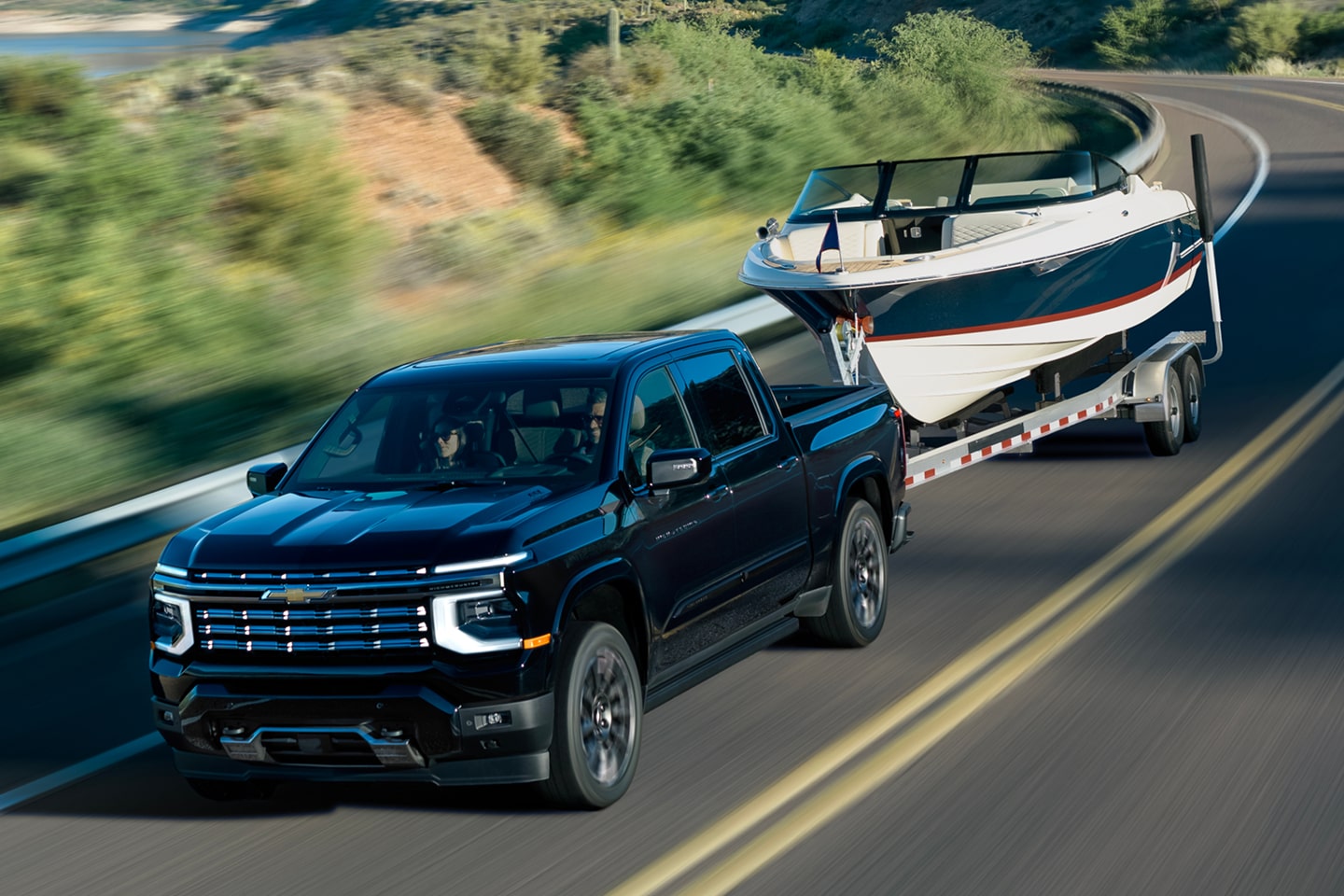
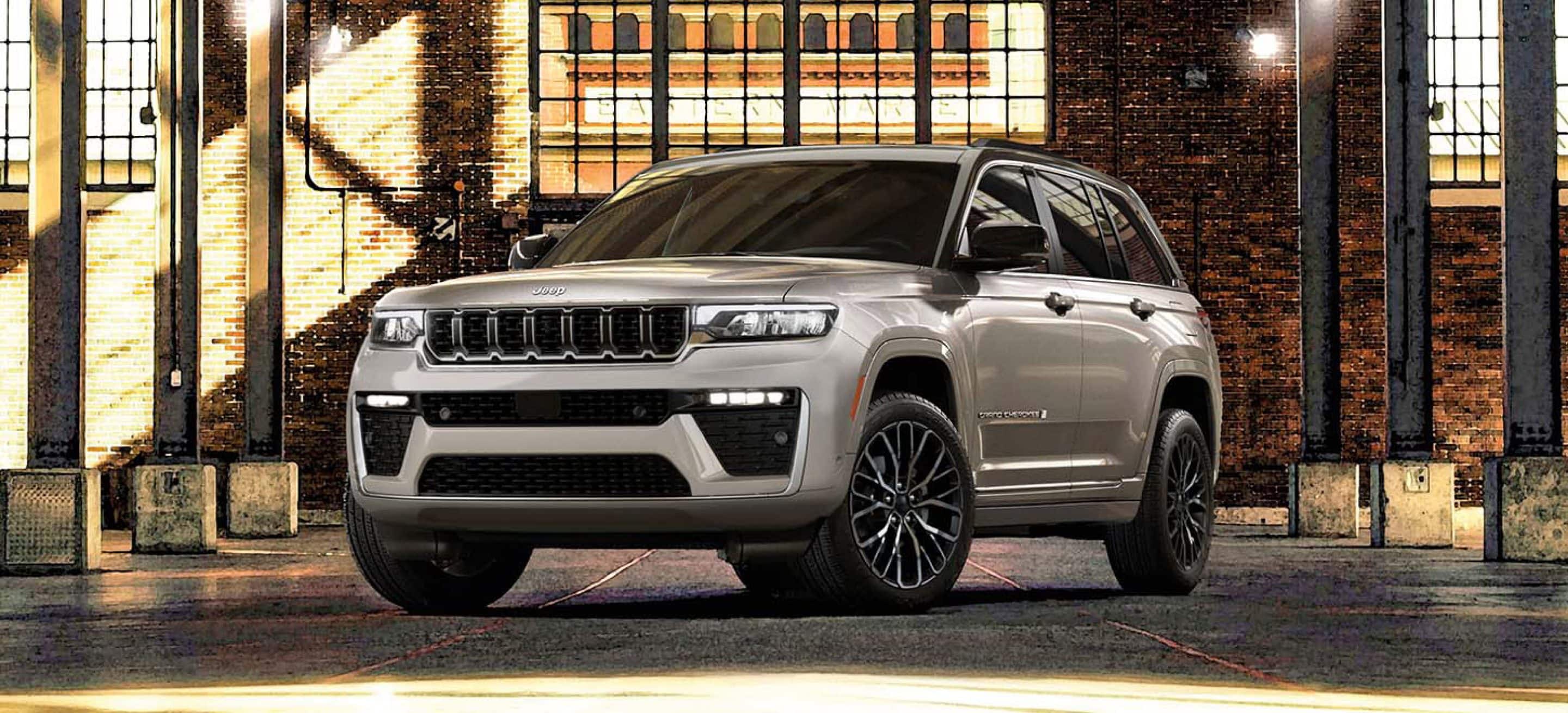
The national average hides a wide split. Toyota had the industry's tightest inventory among major automakers at 35 days' supply, followed by Lexus at 41, Honda at 48 and Subaru at 59. At the other end, Jeep had 169 days, Ram 152 and Dodge 149, all Stellantis brands. Buick had 124 days, GMC 106 and Ford 101.
The gap is starkest among popular models. Toyota's RAV4, Camry and Grand Highlander were all at 25 days or less, while the Ram 1500, Jeep Grand Cherokee and Jeep Wrangler each had more than 140.
Days' supply of new vehicles, September 2026
| Model | Model days' supply | Brand days' supply |
|---|---|---|
| Toyota Camry | 22 | 35 |
| Toyota RAV4 | 24 | 35 |
| Toyota Grand Highlander | 25 | 35 |
| Ram 1500 | 142 | 152 |
| Jeep Wrangler | 162 | 169 |
| Jeep Grand Cherokee | 179 | 169 |
| Industry average | — | 82 |
Source: Cox Automotive analysis of vAuto Live Market View data, Oct. 15, 2026.
Cheaper cars are the hardest to find
The average listing price for a new vehicle rose to $49,726, up 0.7% from August and 1.4% from a year earlier. Vehicles priced under $40,000 made up only about 31% of inventory. Supply was tightest at the bottom: 63 days for vehicles at $30,000 or less and 68 days from $30,000 to $40,000, against 91 days from $50,000 to $60,000, 99 days from $60,000 to $80,000 and 111 days above $80,000.
"In a price-sensitive environment, we continue to see customers adapt rather than leave the market and anticipate that higher-priced vehicles may continue to sit for longer," wrote Erin Keating, an executive analyst at Cox Automotive. Kelley Blue Book reported earlier this week that buyers paid an average of $50,562 in September, with incentives averaging $3,359, or 6.6% of the transaction price, down from 7.3% a year earlier.
Why 2027 models are slow to arrive
Model-year 2027 vehicles made up 22.4% of inventory at the end of September, up from 12.4% in August but far behind the 38.3% share that next-year models held a year earlier. Cox pointed to a lighter new-product cycle and an industry rethink of sourcing and product complexity. It said tariffs are adding friction as automakers localize supply chains, simplify powertrains and options, and adjust production, changes that take time.
For shoppers, the numbers point in two directions. Anyone after a RAV4, Camry or another vehicle under $30,000 should expect a short list of choices on the lot. Anyone open to a Grand Cherokee, Wrangler, Ram 1500 or a vehicle above $50,000 will find dealers sitting on months of supply, which is where a buyer has the most room to negotiate.