


Toyota expects its Arene software platform to be in 10 million new vehicles a year and 50 models by 2030, the company said Friday, Oct. 16, confirming a Nikkei report that it aims to make those models software-defined by then. Chief Technology Officer Hiroki Nakajima laid out the plan at an investor briefing in Brussels the previous week, a Toyota spokesperson told Reuters.
Two days later, Subaru held its own strategy briefing in Japan and said it has no plans at present to adopt Arene, even though Toyota owns a 21% stake in the company, Reuters reported. Subaru is developing its own electronics and plans to launch software-defined vehicles in the second half of this decade.
What Toyota is promising
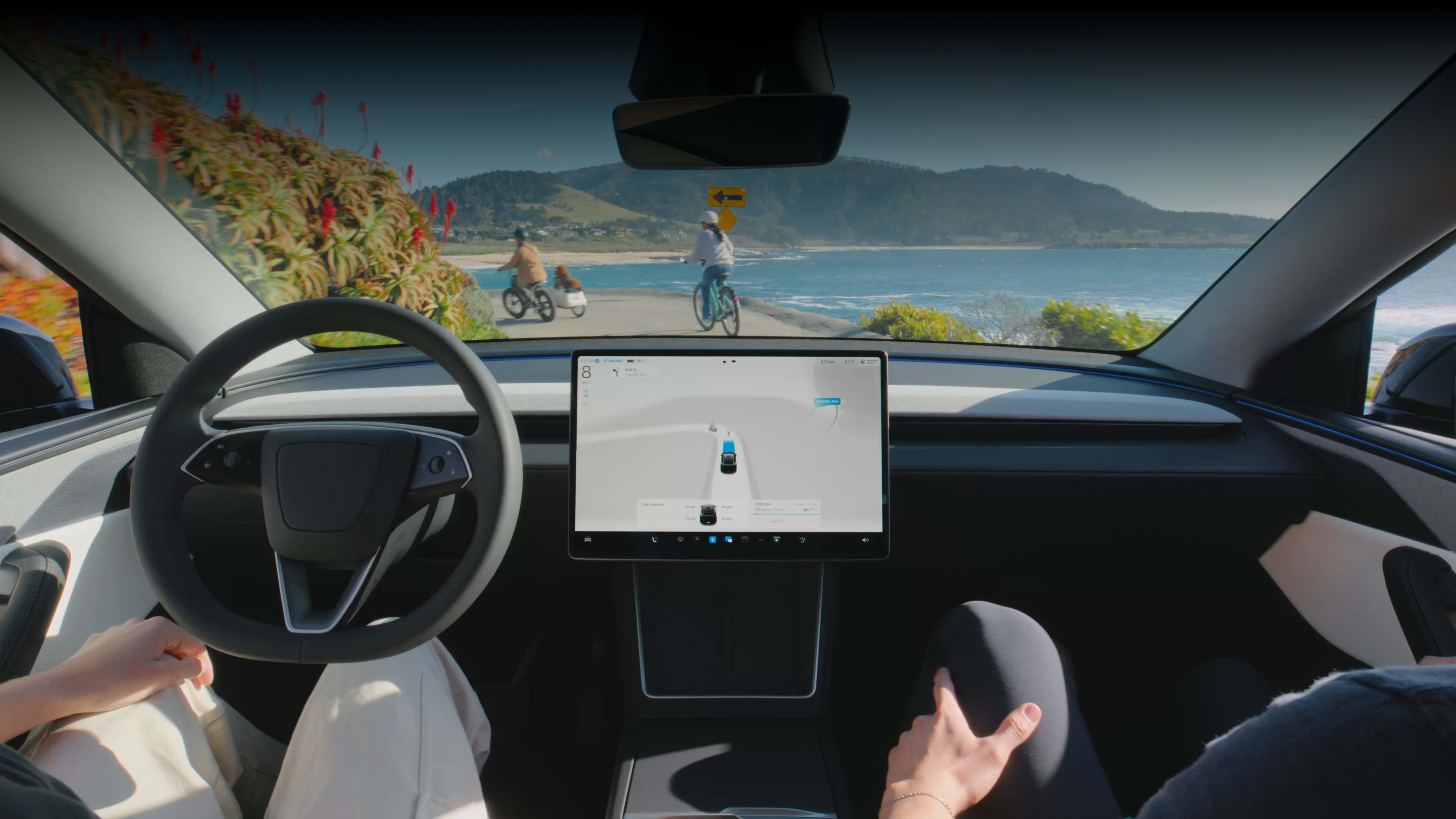
A software-defined vehicle is one whose functions can be changed or improved with over-the-air updates after it is sold, so an automaker can add safety, driver-assistance or entertainment features without a dealer visit. Nakajima also said Toyota wants to push the platform further toward 2035, including into vehicles from alliance partners, according to the spokesperson.
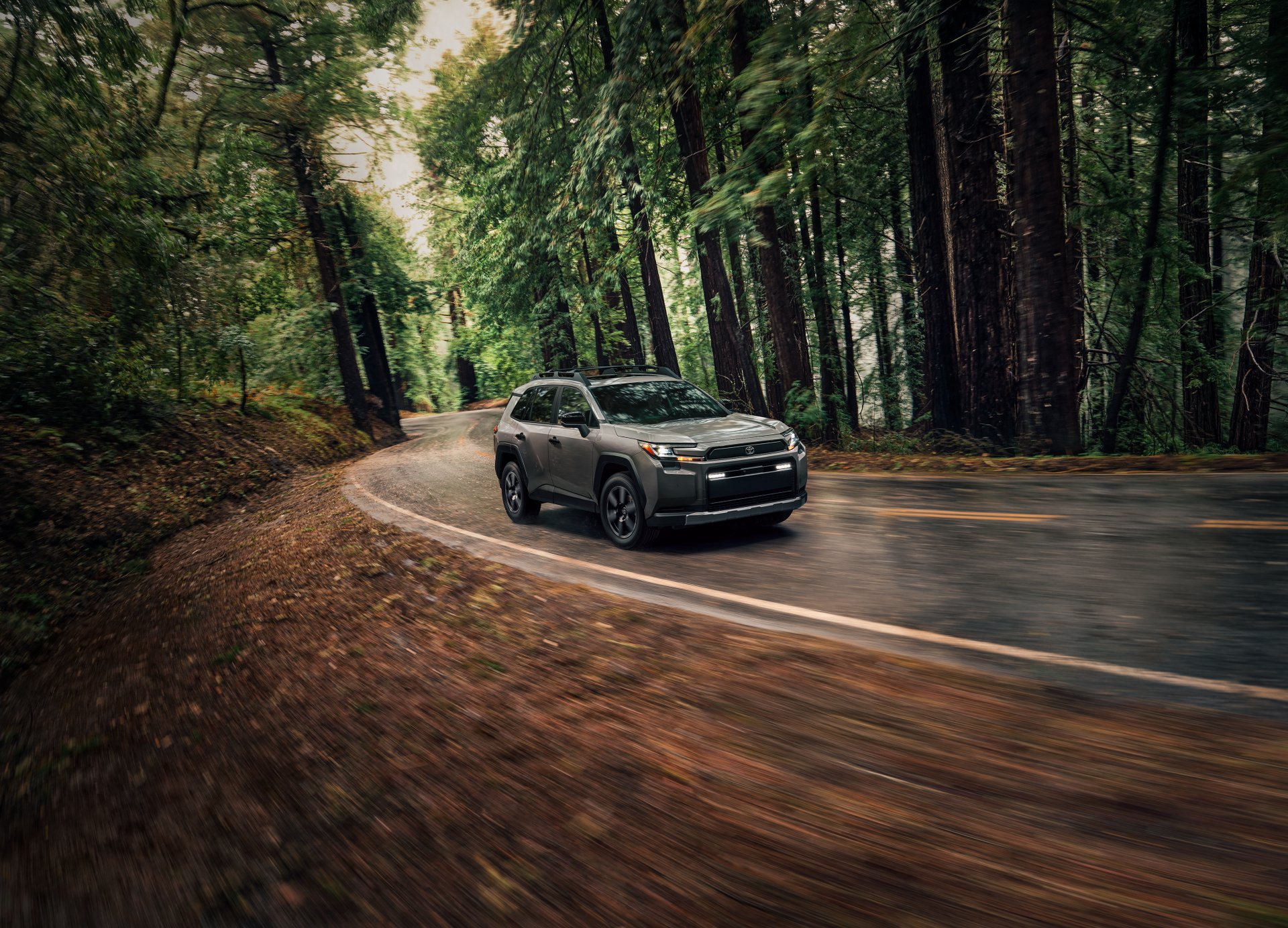
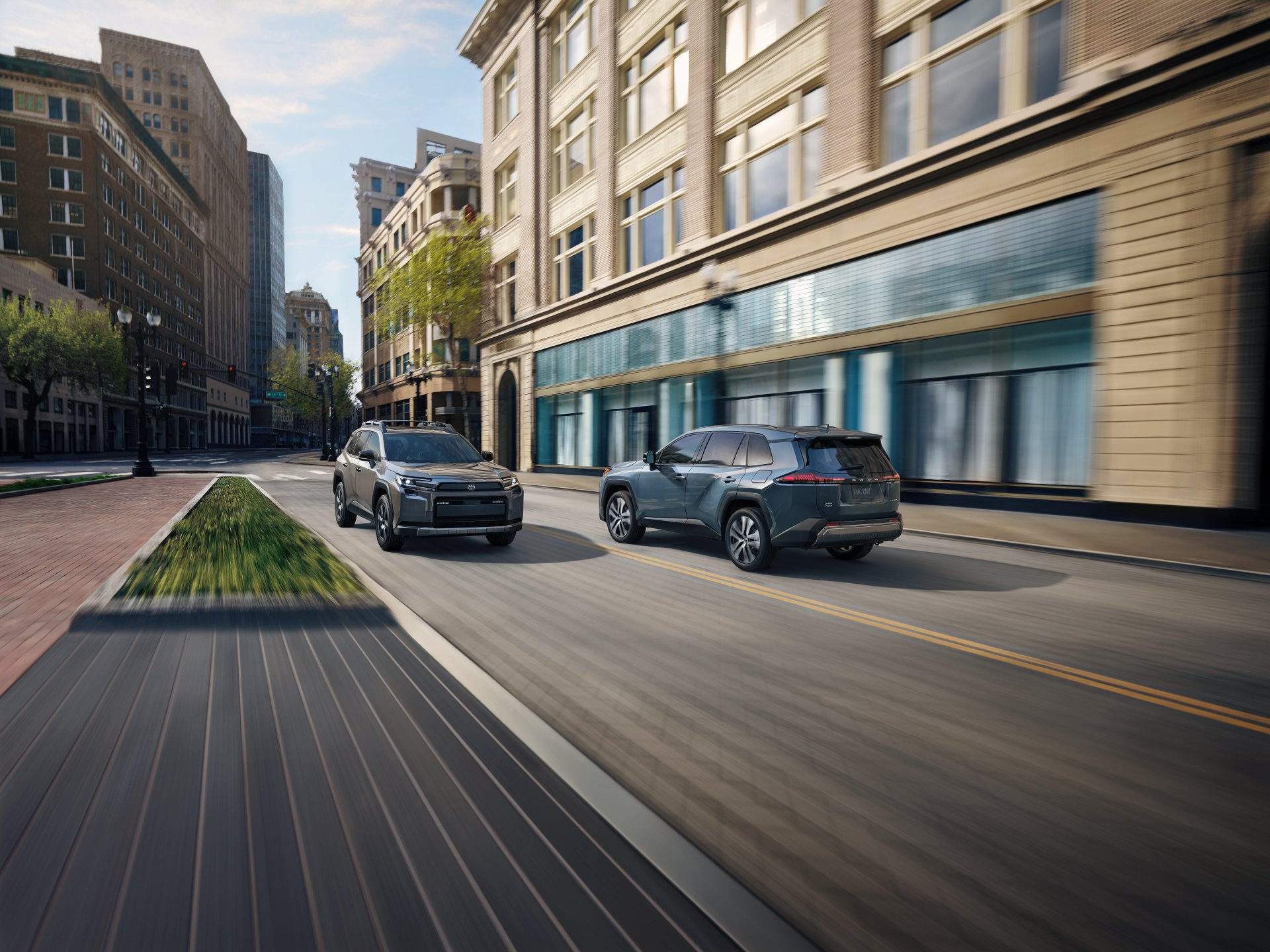
Arene is developed by Woven by Toyota. U.S. buyers have already met it in the redesigned 2026 RAV4. There, Toyota says, the Arene software development kit sits on top of an Automotive Grade Linux system and powers a multimedia setup with a standard 10.5-inch or available 12.9-inch touchscreen, a configurable home screen and wireless Apple CarPlay and Android Auto. The RAV4 is also the first Toyota with 5G connectivity, through AT&T, and Toyota says the system is designed to keep improving, including through over-the-air updates.
"The introduction of Arene is Toyota's first step toward fully software-defined vehicles." (Toyota Motor North America, describing the 2026 RAV4's multimedia system)
Subaru takes its own route
Subaru's plan centers on a new integrated electronic control unit that will gradually spread across its lineup and combine vehicle controls with driver-assistance functions. The chip at its core was developed jointly with U.S. chipmaker Advanced Micro Devices. Subaru wants over-the-air updates for driver-assistance, automated-driving and vehicle-performance functions, and it plans to use the same electronic platform in electric, hybrid and gasoline models, according to Reuters and Jiji Press.
Subaru also said it aims to cut vehicle development time by about 40% by using digital simulations in prototyping and running design, testing and production preparation in parallel. Eiji Shibata, a managing executive officer, said at the briefing in Sano, north of Tokyo, that Subaru wants its software-defined cars to be easy to use rather than packed with advanced features, and that it aims to price them affordably, Jiji reported.
Two software plans, side by side
| Metric | Toyota | Subaru |
|---|---|---|
| Platform | Arene, from Woven by Toyota | New integrated ECU with a chip co-developed with AMD |
| Timing | 50 models and 10 million vehicles a year by 2030 | Software-defined vehicles in the second half of the 2020s |
| Already on sale | 2026 RAV4 | Not yet |
| Stated goals | Expand to alliance partners toward 2035 | Cut development time about 40%; affordable pricing |
Sources: Toyota via Reuters (Oct. 16), Subaru via Reuters and Jiji Press (Oct. 18–19), Toyota Motor North America.
What it means for buyers
For shoppers, the practical change is that a new Toyota or Subaru bought later this decade should keep changing after purchase. Features that once required a new model year could arrive over the air, and the screens, voice controls and driver aids in the car could improve over time. Neither company has said which future features would be free and which would need a subscription, and Toyota's current RAV4 already ties some connected services, such as Digital Key, to a trial or paid plan. Buyers comparing the two brands will want to ask dealers how long a given model will keep receiving updates.