Nearly 12,000 Californians have bought or leased their first electric vehicle with help from MyFirstEV, the state's point-of-sale incentive, Gov. Gavin Newsom's office said Friday. The program, launched in August, takes $3,500 off a new zero-emission vehicle with a sticker price of $50,000 or less, and most major brands still list it as available. Tesla buyers are out of luck: the state lists Tesla's funds as used up.
The numbers came with the California Energy Commission's third-quarter sales count, which shows the state's EV market holding steady after the federal EV tax credit expired. Californians bought 80,392 new zero-emission vehicles from July through September, 19.1% of new-car sales.
How the rebate works
MyFirstEV is not a rebate you apply for after the sale. The discount comes off the price at the dealership or from the automaker, for a purchase or a lease, according to the California Air Resources Board, which runs the program. The state put in $135.5 million and participating automakers match it dollar for dollar, for $271 million in total savings, the governor's office said. CARB projects the money could support more than 73,000 vehicles.
- New vehicles: $3,500 off a zero-emission vehicle with an MSRP of $50,000 or less. CARB says new vehicles must be the 2026 model year or newer.
- Used vehicles: $1,750 off a ZEV sold for $25,000 or less, only through an automaker's certified pre-owned program at a franchised dealer, and only where that brand offers it.
- Who qualifies: California residents who have never been on the title or registration of an EV, in any state. Each person gets one incentive for the life of the program.
- What doesn't qualify: plug-in hybrids, private independent dealers, and anything bought before the brand began offering the discount. The program is not retroactive.
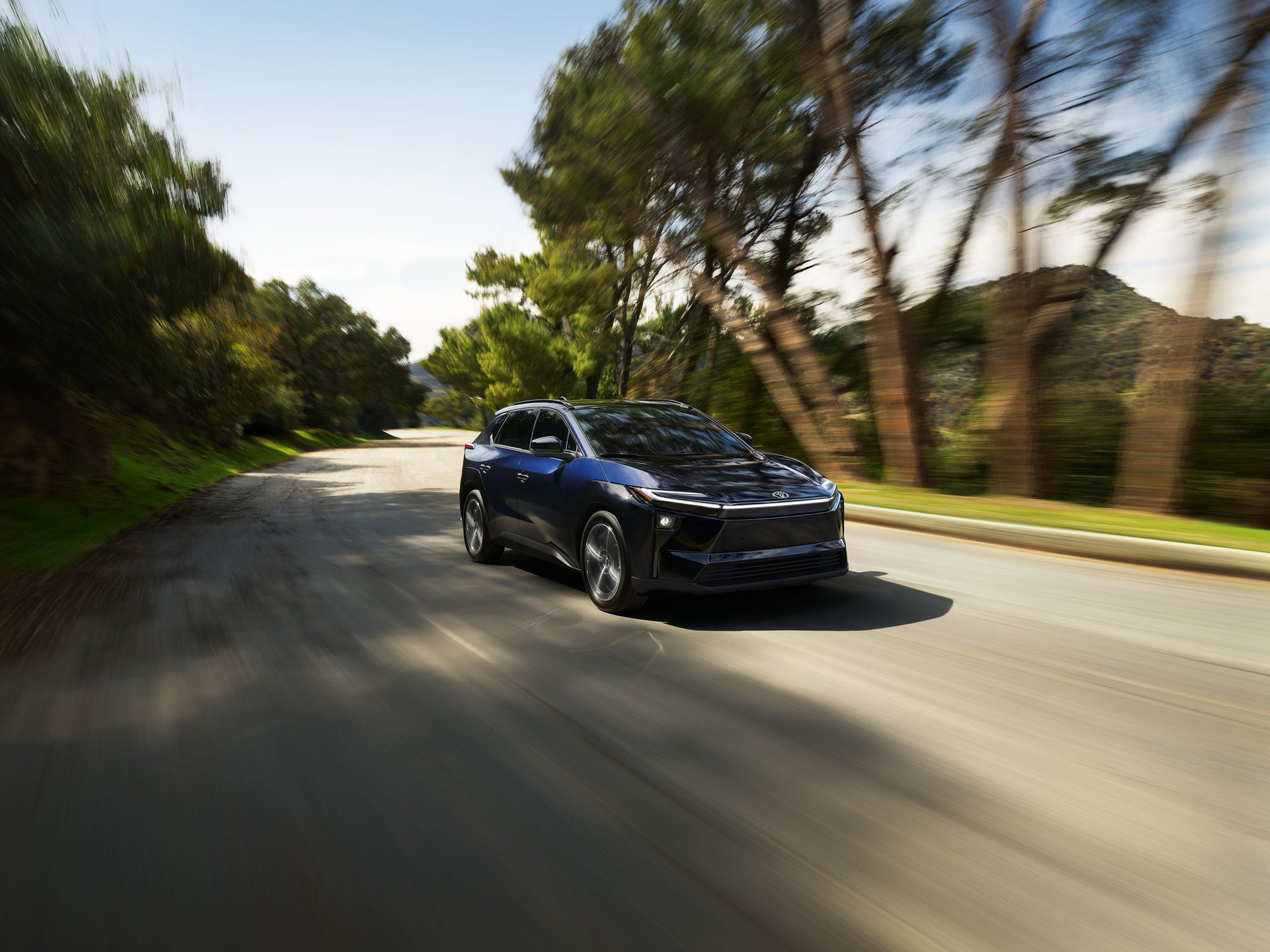
Toyota's California offer page says its version splits the $3,500 evenly, $1,750 from the state and $1,750 from Toyota, on the C-HR, bZ and bZ Woodland. Toyota and Lexus have also added a privately funded $2,500 offer, MyNextEV and MyLexusEV, for Californians who have owned an EV before, the governor's office said.
Which brands still have money
Funding is allocated by automaker, so availability depends on the brand. Tesla was among the first brands to offer the discount; the governor's Aug. 7 announcement named Hyundai, Lucid and Tesla as the first three. Tesla's share was gone within days. Yahoo Finance reported that by Aug. 8, Tesla's support page said its allocated funds were depleted. CARB's list, last updated Sept. 25, shows where things stand.
MyFirstEV status by brand
| Brand | Status | Vehicles |
|---|---|---|
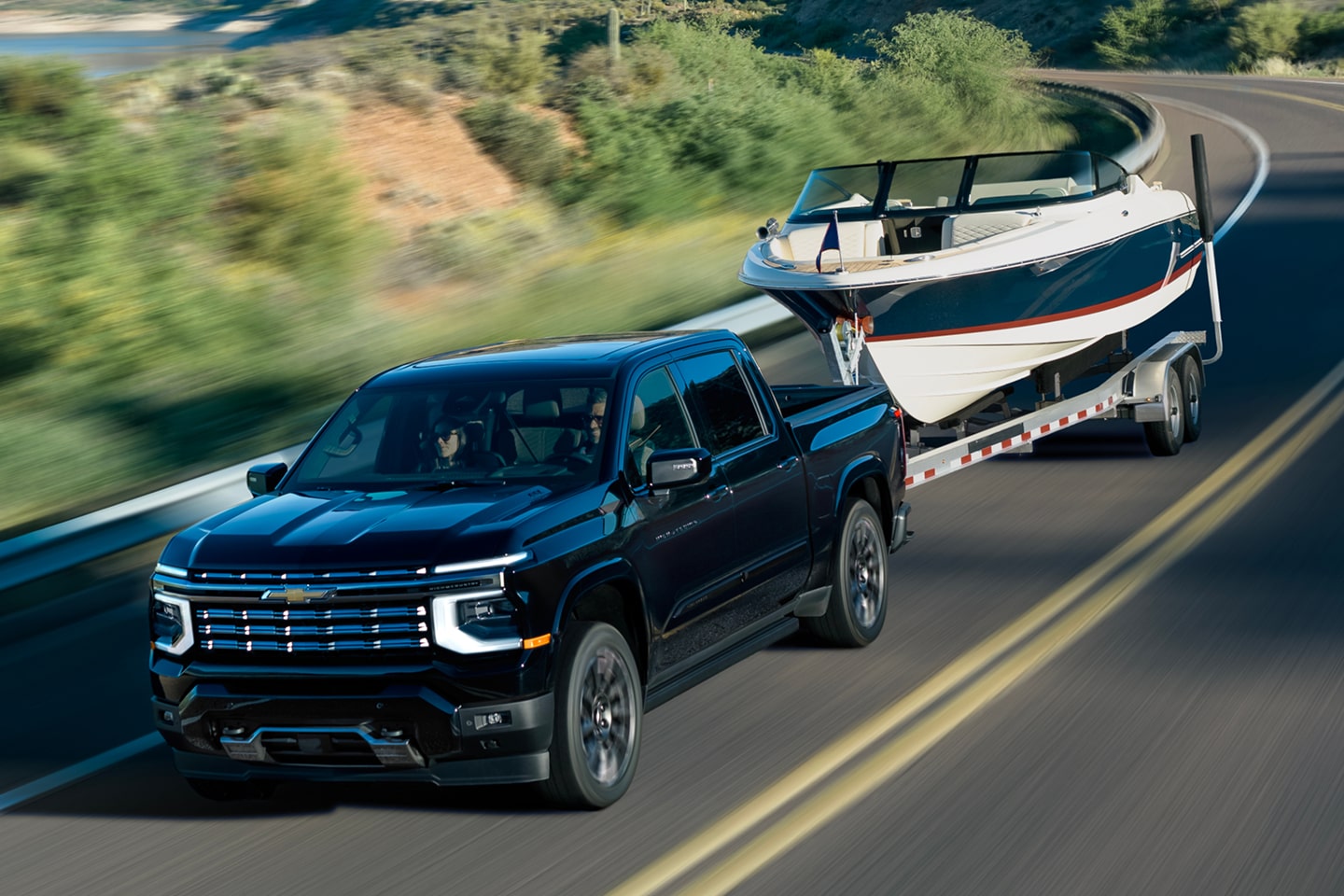
| Cadillac, Chevrolet | Available now | New |
| Ford | Available now | New and used |
| Genesis, Hyundai, Kia | Available now | New |
| Honda | Available now | New |
| Toyota, Lexus | Available now | New |
| Nissan, Subaru | Available now | New |
| Lucid, Rivian, Volvo | Available now | New and used |
| Mitsubishi | Launching November 2026 | Not yet available |
| Tesla | Closed: funds no longer available | None |
Source: California Air Resources Board, MyFirstEV participating manufacturers, updated Sept. 25, 2026. Availability varies by dealer and lasts only while each brand's funds remain.
California's EV market in the third quarter
Of the 80,392 zero-emission vehicles sold in the third quarter, 68,811 were battery EVs, 11,494 were plug-in hybrids and 87 were hydrogen fuel-cell cars, the energy commission said. Battery EVs alone made up 16.3% of new-car sales in California, against 6.4% nationally. The state counted 224,438 public and limited-access charging ports as of June 30, about 23,000 of them DC fast chargers.
For shoppers, the practical advice is simple: check CARB's list and the automaker's own offer page before you sign, since the discount must be offered at the time of sale and each brand's pot can run dry without much warning, as Tesla's did. The state's money must be spent by Sept. 1, 2031, according to CARB.