The trucks and vans that deliver packages and haul job-site gear are well behind passenger cars at avoiding front crashes, according to the first crash avoidance ratings for commercial vehicles from the Insurance Institute for Highway Safety. The results, released Oct. 8, cover seven cargo vans and four Class 3 pickups, the one-ton work trucks with gross vehicle weight ratings of 10,001 to 14,000 pounds.
Marginal and poor scores were common. Only one vehicle, the Mercedes-Benz Sprinter 2500, earned a good rating for avoiding other vehicles, and only two, the electric Chevrolet BrightDrop 400 and Rivian RCV-Delivery 500 vans, earned good ratings for avoiding pedestrians. "These results are a wake-up call for commercial vehicle makers," IIHS President David Harkey said. "Front crash prevention is especially important for these larger, heavier vans and trucks because of the danger they pose to other road users."
IIHS front crash prevention ratings: cargo vans and Class 3 pickups
| Model | Type | Vehicle-to-vehicle | Pedestrian |
|---|---|---|---|
| 2025 Mercedes-Benz Sprinter 2500 | Van | Good | Acceptable |
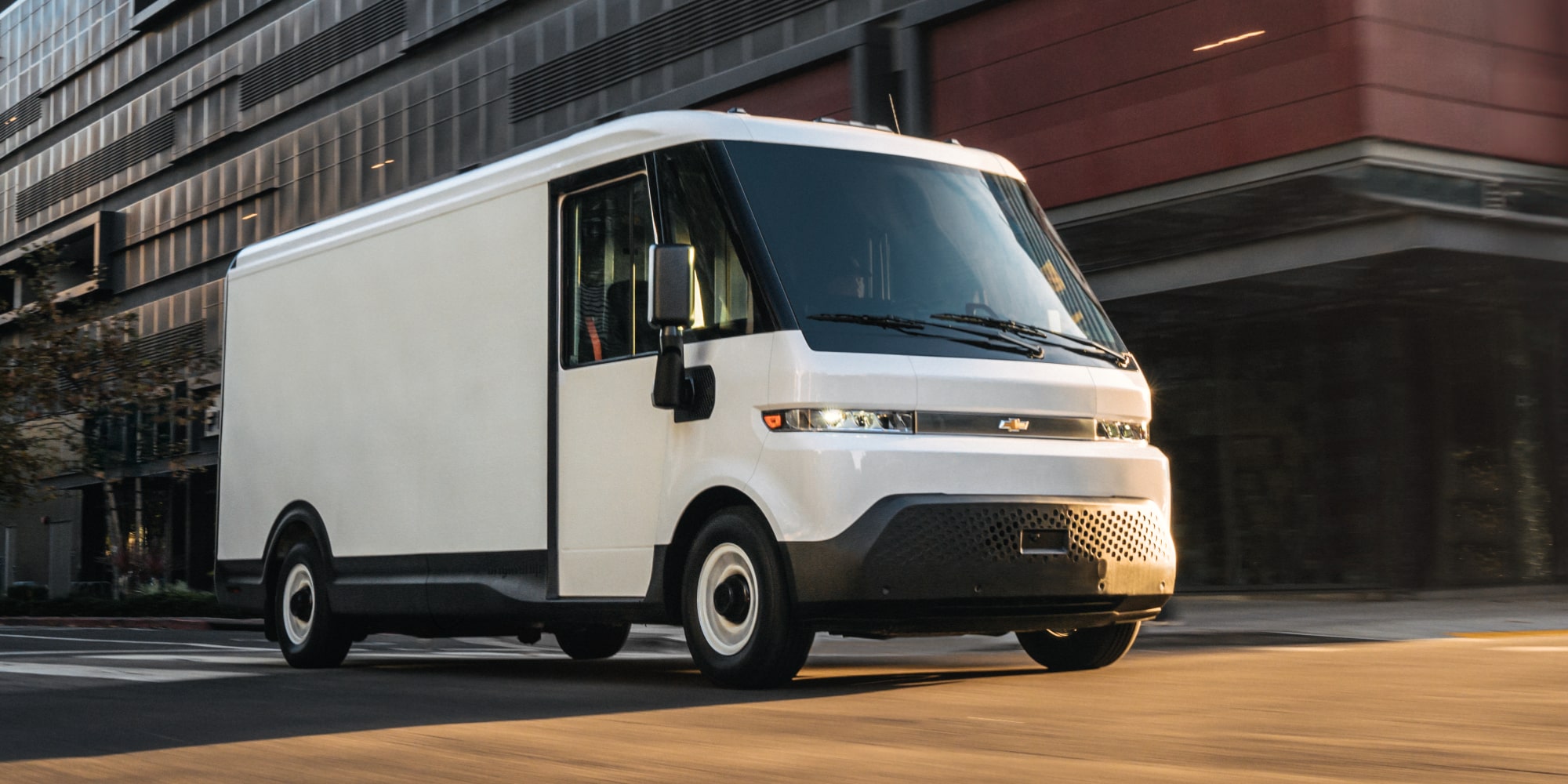
| 2025-26 Chevrolet BrightDrop 400 | Van | Acceptable | Good |
| 2025 Rivian RCV-Delivery 500 | Van | Marginal | Good |
| 2025 Ford Transit T250 | Van | Poor | Marginal |
| 2025-27 Ram ProMaster 2500 | Van | Poor | Marginal |
| 2025-27 Chevrolet Express 2500 | Van | Poor | Poor |
| 2025-27 GMC Savana 2500 | Van | Poor | Poor |
| 2025-27 Ram 3500 | Pickup | Marginal | Acceptable |
| 2025 Ford F-350 | Pickup | Poor | Acceptable |
| 2025-26 Chevrolet Silverado 3500HD | Pickup | Poor | Marginal |
| 2025-26 GMC Sierra 3500 | Pickup | Poor | Marginal |
Source: IIHS, Oct. 8, 2026. Ratings use the same test protocols and requirements as for passenger vehicles.
Where the work trucks struggled
The vehicle-to-vehicle test checks forward collision warning and automatic emergency braking at several speeds with a passenger-car target and a motorcycle target, and it checks warnings for a semitrailer. The motorcycle was the hardest part. Several systems gave no warning and did not slow at all in most motorcycle trials. Others braked well enough to avoid or soften most collisions but were marked down because they warned the driver too late.
The Chevrolet Express 2500 and GMC Savana 2500 rated poor in both tests for a simpler reason: they do not have automatic emergency braking. They offer only optional forward collision warning.
The pedestrian test, which recreates common daytime and nighttime crashes with an adult or child crossing the road or an adult walking in the lane, went better overall. Among the pickups, the Ford F-350 and Ram 3500 earned acceptable ratings. Even so, several vehicles, including those two trucks, had more trouble spotting the child dummy in daylight than the adult at night. IIHS said tall front ends and sensors mounted near the rearview mirror may be to blame, and in some runs the child was detected at a distance and then "disappeared" as the truck got closer. Some vehicles also did much worse at night on low beams than on high beams.
Why IIHS is rating commercial vehicles
In 2024, 6,215 people died in crashes involving heavy- or medium-duty vehicles or light vans, 16% of all U.S. roadway deaths, according to IIHS. Many federal standards that apply to passenger vehicles, including airbag requirements, do not apply to delivery vans, box trucks, tractor-trailers and larger work pickups. IIHS started its commercial program in June with driver-protection checks for airbags, seat belts and belt reminders. It plans to add headlight and rear automatic braking ratings for Class 3 vehicles this year and next, and to phase in larger Class 4-6 trucks later.
What it means if you buy or drive one
Small businesses and fleet managers now have a way to compare these systems before signing a purchase order, and the gap between the best and worst vans is wide. Anyone shopping for a three-quarter- or one-ton van should confirm that automatic emergency braking is standard or ordered, since some models do not have it at all. Pickup drivers, especially, should keep in mind that a tall hood can hide a small child from both the driver and the truck's sensors. The photos show Chevrolet vans and a Silverado HD from the model lines IIHS rated; the truck pictured is not necessarily the exact 3500HD configuration tested.