The average price Americans paid for a new vehicle rose to $50,562 in September, according to Kelley Blue Book's monthly report released Oct. 13. That is up 0.9% from August's $50,089 and just $52 below the all-time high of $50,614 set in December 2025. It was the fourth monthly increase in a row.
August was the first month of 2026 in which the average topped $50,000. September pushed it a little higher, though the year-over-year picture is calmer than the headline suggests. Compared with September 2025, the average transaction price rose only 0.7%, well below the 2% to 4% gain KBB says is typical for the month. The average sticker price, or MSRP, was $52,342, up from $51,821 in August and 0.8% above a year earlier.
Why the average is creeping, not jumping
Cox Automotive, KBB's parent company, puts most of it down to what people are choosing to buy. Shoppers under pressure on monthly payments are drifting toward lower-priced segments and models, which pulls the industry average down even as individual vehicles get more expensive.
"What's keeping the overall average transaction price increase relatively modest is mix," said Erin Keating, executive analyst at Cox Automotive.
Timing is the second factor. Prices normally climb in the second half of the year as next-model-year vehicles reach dealers with new, usually higher, pricing. This fall those vehicles are arriving well behind historic norms, KBB said, so fewer repriced 2027 models are showing up in the sales data so far.
Discounts moved a little in buyers' favor. Incentives averaged $3,359 in September, or 6.6% of the transaction price, up 2.6% from August. That is still less generous than a year ago, when incentives equaled 7.3% of the price; in dollar terms, incentive spending is down 8.8% year over year.
What buyers paid in the biggest segments
The five largest segments accounted for about 855,000 sales in September, nearly two-thirds of the month's volume. Only one of them got cheaper over the past year.
Average transaction prices, September 2026
| Segment | Average price | Change vs. Sept. 2025 |
|---|---|---|
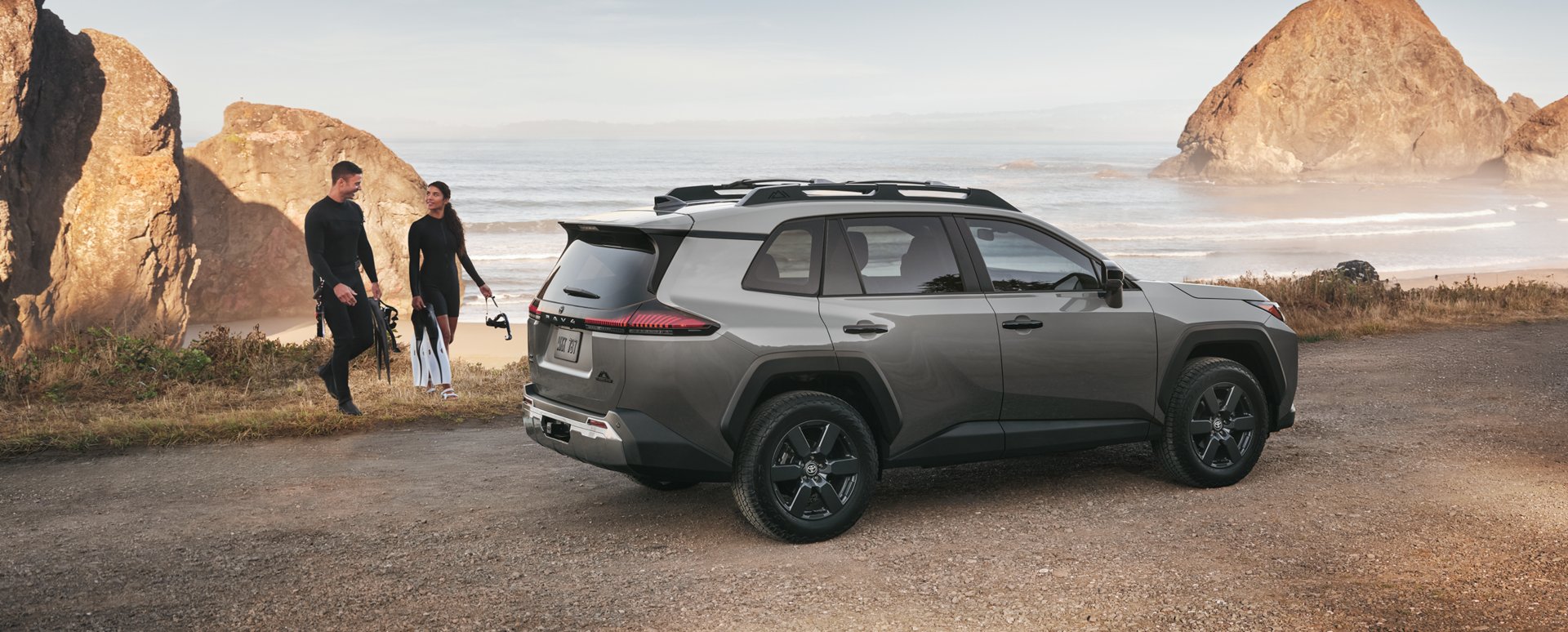
| Compact SUV | $37,614 | -0.4% |
| Mid-size SUV | $50,630 | +2.0% |
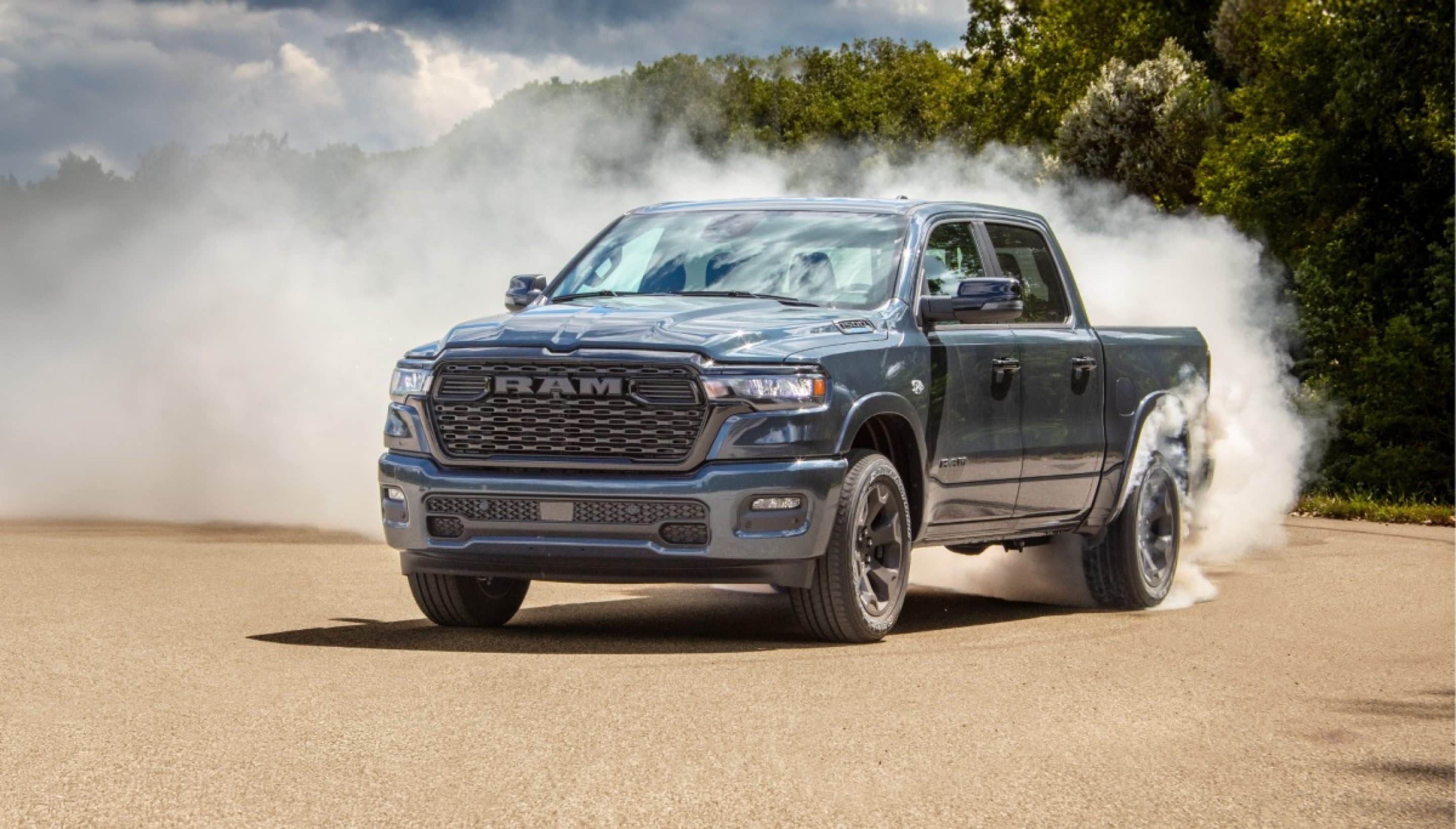
| Full-size pickup | $67,573 | +1.5% |
| Subcompact SUV | $31,213 | +1.5% |
| Compact car | $27,977 | +3.2% |
Source: Kelley Blue Book / Cox Automotive, Oct. 13, 2026.
Compact SUVs, the biggest-selling type, slipped slightly. Compact cars posted the largest increase of the group, a sign that the cheapest part of the market is getting less cheap. Full-size pickups remain the priciest of the five at more than $67,500.
EV prices rise from August but stay below last year
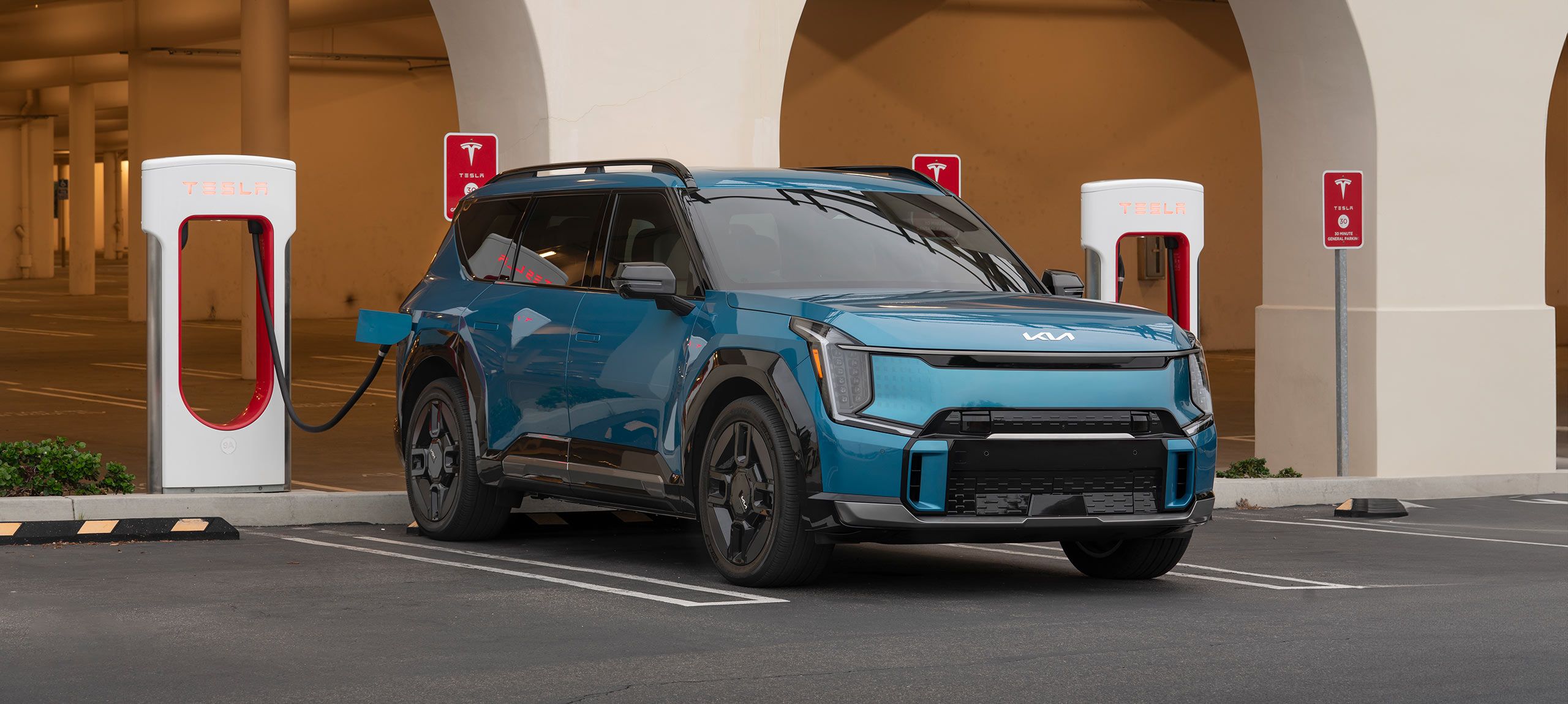
Electric vehicles averaged $55,879 in September, up from a revised $54,574 in August but 3% lower than a year earlier. The gap between EVs and comparable gas and hybrid models has narrowed to 11%, KBB said, compared with an average of about 18% in 2025. EV incentives fell to 11% of the transaction price, the lowest level this year, down from 14.2% in September 2025, the last month before the $7,500 federal EV tax credit ended.
Tesla's average climbed 3.3% from August to $54,345, roughly flat with a year ago. The Model 3 averaged $53,804 and the Model Y $53,052, and together they made up nearly 97% of Tesla's sales. Tesla sold close to 1,500 Cybertrucks in the month.
For shoppers, the takeaway is that individual models are still getting pricier even though the national average barely moved over the year. The industry figure is held down mostly by buyers trading down, and Keating noted that consumers buy a vehicle, not the industry average. With 2027 models arriving late, the October and November reports will show whether the usual fall price bump was delayed or skipped.